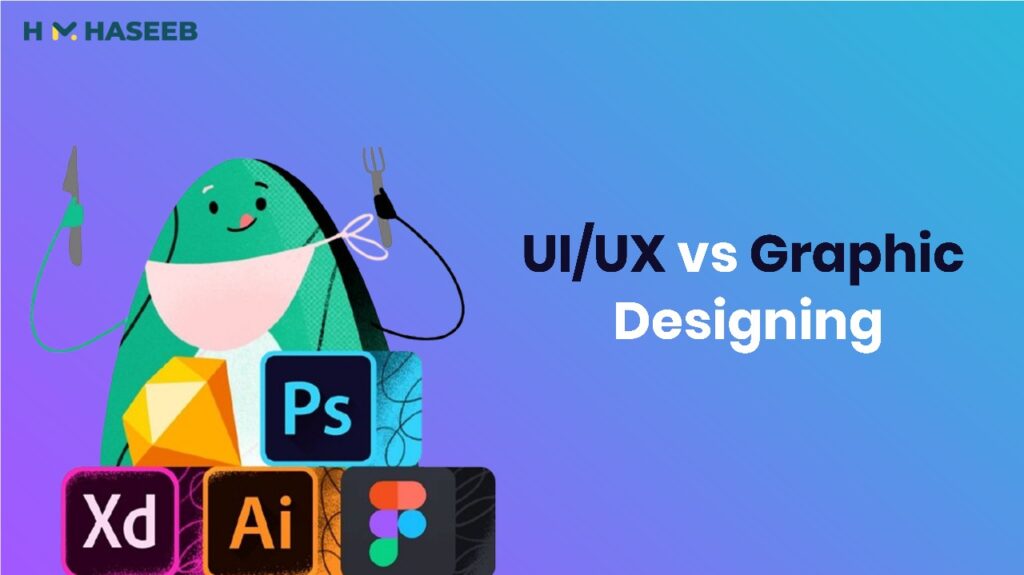
In today’s digital world, UI/UX vs. Graphic Design has become one of the most common yet confusing comparisons among creative learners and professionals. Both fields revolve around design, creativity, and innovation but their purpose, process, and career outcomes are entirely different.
While graphic design focuses on creating visually stunning elements like posters, logos, and marketing materials, UI/UX design emphasizes creating digital experiences that are interactive, user friendly, and functional.
If you’ve ever been confused about which design path is best for you, this in-depth look at UI/UX vs. Graphic Design will help you understand the main differences, skills, tools, and future job prospects in each.
What Is UI/UX Design?
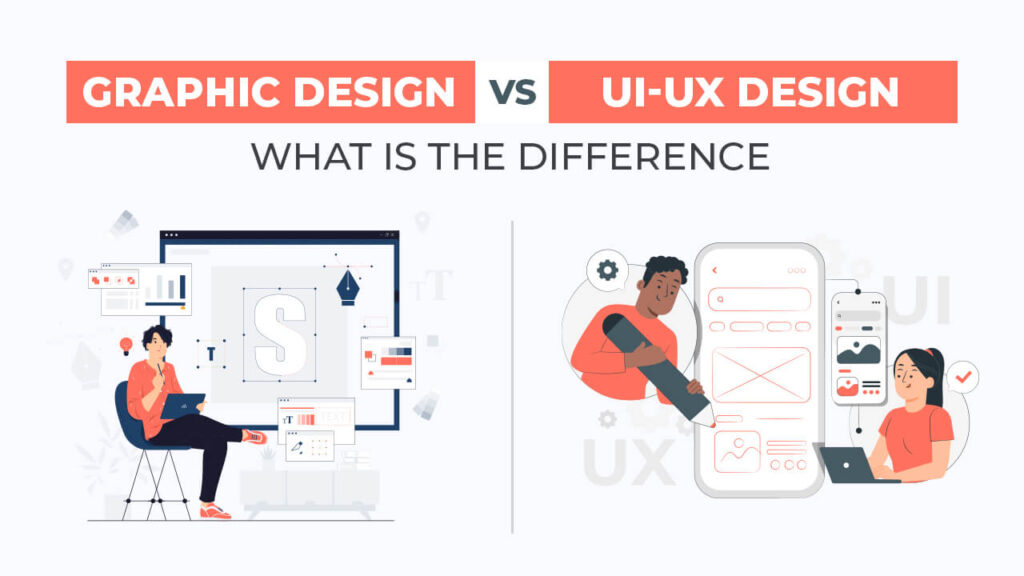
Before diving deeper into UI/UX vs. graphic design ( it’s essential to understand what UI/UX actually means.
UI (User Interface) Design deals with how a digital product looks. It involves designing layouts, color schemes, icons, and navigation to make apps and websites visually appealing.
UX (User Experience) Design, on the other hand, focuses on how the user feels while interacting with that product. UX designers ensure that every step from clicking a button to completing a task is smooth, efficient, and satisfying
Core Responsibilities of a UI/UX Designer:
- Researching user behavior and needs
- Designing wireframes, prototypes, and interfaces
- Testing and improving usability
- Collaborating with developers and clients
- Ensuring user satisfaction and engagement
UI/UX design is the right mix of creativity and logic. It’s not just about making things look good; it’s also about using design to solve problems.
What Is Graphic Design?
In the discussion of UI/UX vs. Graphic Design, understanding the roots of graphic design is equally important.
The art of visual communication is known as graphic design. It entails producing designs that use font, color, and imagery to communicate ideas. Whether it’s a brand logo, brochure, poster, or social media post graphic designers provide brands a visual identity.
Core Responsibilities of a Graphic Designer:
- Designing visual content for print and digital media
- Creating logos, posters, and marketing materials
- Selecting color palettes, fonts, and layouts
- Maintaining brand consistency across designs
- Using creativity to evoke emotions and deliver messages
Visual storytellers are graphic designers. Instead of concentrating on digital utility, they prioritize aesthetics and brand appeal.
Key Differences: UI/UX vs. Graphic Design
While UI/UX and graphic design may seem similar to novices, their goals, methods, processes, and results are different. To assist you distinguish between the two, a clear comparison is provided below:
| Aspect | UI/UX Design | Graphic Design |
|---|
| Primary Focus | User experience and interactivity | Visual communication and creativity |
| Main Goal | Enhance usability and functionality | Create aesthetic visuals for marketing |
| End Products | Websites, apps, dashboards, interfaces | Posters, logos, brochures, brand assets |
| Process | Research, wireframing, prototyping, testing | Concept, layout, design, visual presentation |
| Tools Used | Figma, Adobe XD, Sketch, InVision | Adobe Photoshop, Illustrator, CorelDRAW |
| Skills Required | UX research, design thinking, prototyping | Typography, color theory, composition |
| User Interaction | High (interactive design) | Low (static design) |
| Output Platform | Digital (apps/websites) | Print and digital visuals |
Graphic design is solely artistic and visual, but UI/UX design is more analytical and user-focused, as this table makes evident.
UI/UX vs. Graphic Design Which Has a Better Career Scope?
In 2025, the demand for both UI/UX and Graphic Design professionals continues to grow. However, the career paths for these two differ significantly.
- UI/UX Design Career:
Businesses are making significant investments in UI/UX design due to the growing usage of digital platforms, mobile applications, and websites. Jobs like UI Designer, UX Researcher, and Product Designer are in great demand and offer great pay and international chances.
- Graphic Design Career:
Graphic designers remain essential for branding, advertising, and marketing industries. From digital campaigns to print design, creative graphic designers help businesses build strong visual identities.
Because UI/UX design is directly related to user experience and business objectives, it typically offers higher income and faster career advancement.
Skills You Need: UI/UX vs. Graphic Design
To excel in UI/UX vs. Graphic Design, here’s a breakdown of the skills you’ll need for each field:
Skills for UI/UX Designers:
- UX research and user persona creation
- Information architecture
- Wireframing and prototyping
- UI design principles
- Usability testing and analytics
Skills for Graphic Designers:
- Typography and layout design
- Color theory and composition
- Adobe Creative Suite mastery
- Branding and identity design
- Creative concept development
UI/UX design may be the best option for you if you enjoy solving problems, user psychology, and digital innovation.
Graphic design is a fantastic fit if you have a strong interest in color, art, and visual narrative.
UI/UX vs. Graphic Design Tools Comparison
Another key part of UI/UX vs. graphic design is the difference in tools used.
UI/UX Design Tools:
- Figma
- Adobe XD
- Sketch
- InVision
- Axure
Graphic Design Tools:
- Adobe Photoshop
- Adobe Illustrator
- CorelDRAW
- Canva
- Affinity Designer
Each tool has a distinct function; UI/UX tools concentrate on prototypes and interactivity, whereas graphic design tools concentrate on branding and visual development.
Which Is Better: UI/UX or Graphic Design?
When comparing UI/UX vs. Graphic Design, there is no better choice it depends entirely on your goals and interests.
- Choose UI/UX design if you enjoy building digital experiences, problem solving, and improving usability.
- Choose Graphic Design if you love creating visuals, logos, and brand aesthetics that capture attention.
Both fields offer endless opportunities, and learning the basics of each can make you a more versatile designer in the creative industry.
Future Trends in UI/UX vs. Graphic Design (2025 and Beyond)
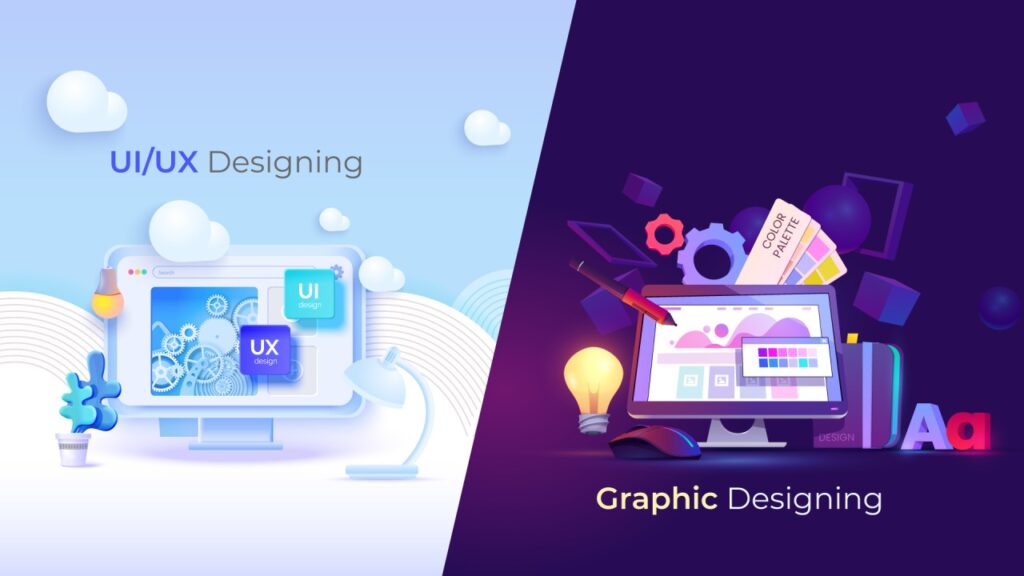
As technology evolves, both UI/UX and graphic design are adopting new tools and trends like:
- AI-powered design systems
- 3D graphics and immersive interfaces
- Minimalist and inclusive design principles
- Motion and interaction based visuals
UI/UX and graphic design are intertwined in the future; many designers now blend the two disciplines to create comprehensive digital brand experiences.
Conclusion:
In conclusion, UI/UX and graphic design are two potent design fields with distinct objectives and skill sets.
The way people interact with digital products is the main emphasis of UI/UX design.
Visual innovation and brand narrative are prioritized in graphic design.
Whether you are more drawn to aesthetics and visual impact or functionality and user experience will determine which option is best for you.
In the creative industry of 2025, both professions are vital, fascinating, and constantly changing.
FAQs:
1.What is the main difference between UI/UX and Graphic Design?
UI/UX focuses on user experience and digital interaction, while graphic design emphasizes visual communication and branding.
2.Can a graphic designer become a UI/UX designer?
Yes, many graphic designers transition to UI/UX by learning user experience principles and digital design tools.
3.Which career pays more UI/UX or Graphic Design?
Generally, UI/UX designers earn more due to their involvement in product strategy and user experience optimization.
4.Do UI/UX and Graphic Designers use the same tools?
No. UI/UX designers use Figma, Adobe XD, and Sketch, while graphic designers use Photoshop and Illustrator.
5.Which is easier to learn: UI/UX or Graphic Design?
Graphic design is easier to start, while UI/UX requires more research, analysis, and technical knowledge