Introduction
One of the most crucial success factors for both new and established brands is customer engagement. Visuals communicate more quickly and effectively than words in today’s fast-paced digital environment. That’s precisely how graphic design enhances consumer engagement. It helps firms draw in customers, communicate ideas effectively, and maintain audience connections.
The function of graphic design in consumer behavior, brand communication, and user experience is examined in this 2025 guide. Knowing how graphic design enhances client involvement can revolutionize your marketing efforts, regardless of whether you manage social media, run a business, or provide creative services.
Factors affecting graphic design on customer engagement
1. Visual Identity
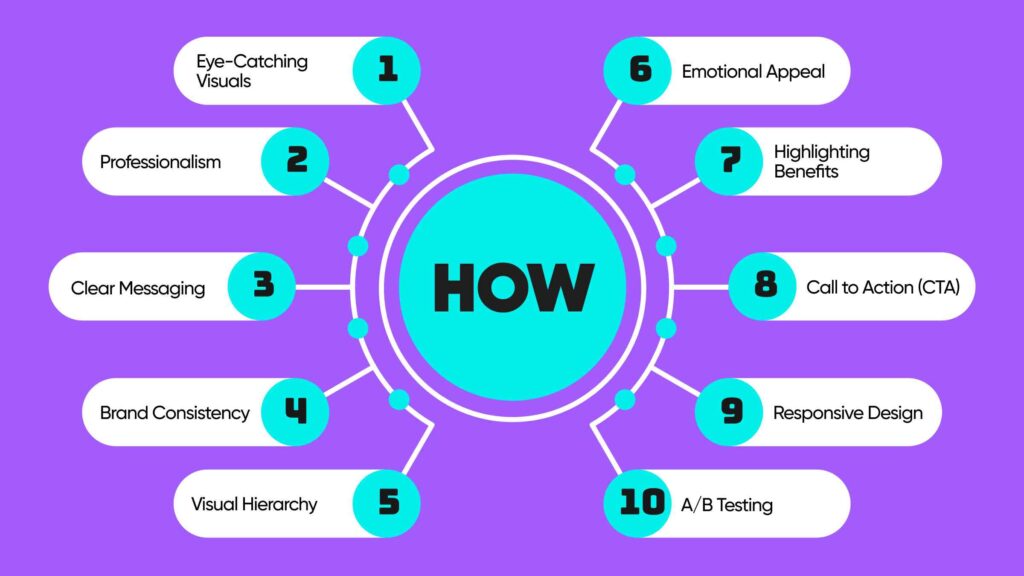
Every successful brand is built on a solid visual identity. Customers’ perceptions of your company are influenced by elements like layouts, typography, color schemes, and logos. When properly crafted, these components contribute to your brand’s immediate recognition.
This is among the best illustrations of how visual design enhances consumer interaction by fostering familiarity and an emotional bond.
Customers remain interested in social media, websites, packaging, and marketing when there is a consistent visual identity. People are more likely to interact with your material, trust you, and eventually take action when they see designs that align with your brand’s values.
2. User Experience
When users enjoy a good experience, they stay on your platform longer. Easy navigation, simple layouts, and unambiguous language all have a significant impact on how users engage with your website or application.
People naturally feel more at ease and self-assured when they can find what they need without difficulty or uncertainty.
This seamless experience enhances the amount of time consumers spend perusing your information, fosters trust, and motivates them to come back. By making every connection easier, more pleasurable, and more meaningful, graphic design therefore directly increases customer engagement.
3. Social Media
Visuals are essential to social media. Posts with eye-catching graphics receive more likes, comments, and shares than those with only text. This is an everyday illustration of how graphic design enhances client interaction.
Reel covers, infographics, carousels, and branded designs all contribute to more exposure and engagement on social media sites like Facebook, Instagram, and TikTok.
4. Emotional Impact

People react more to feelings than to facts. Colors, shapes, and pictures are used in graphic design to evoke emotions. This emotional appeal is a potent method that graphic design enhances consumer interaction. Customers are more likely to interact and feel engaged when your brand’s story is reflected in the design.
In graphic design, colors, forms, typography, and imagery can evoke feelings like comfort, curiosity, excitement, and trust. In a matter of seconds, these emotional cues influence consumers’ perceptions of a brand. One of the best ways graphic design improves consumer engagement is through emotional appeal, which draws people in and helps them connect with your message.
Customers don’t only observe a design when your brand’s visual style embodies its narrative, whether it be bold, amiable, sophisticated, or inventive. Stronger engagement, more clicks, and longer attention spans are all results of this emotional connection.
Visuals that speak to people’s ideals and experiences are inherently appealing. Customers are therefore more inclined to engage, interact, and trust your message when your brand’s story is effectively conveyed through design, converting casual viewers into devoted followers.
5. Advertising
- High-Impact Ads
Ads need to grab viewers’ attention quickly. Click-through rates and conversions are increased by bold, simple, and contemporary visuals. This demonstrates unequivocally how graphic design enhances consumer interaction with advertisements. Your message is made apparent by powerful graphics, which also motivate consumers to act fast.
6. Brand Trust
- Professional Look
Expert design immediately fosters trust. Consumers are more likely to interact with brands that appear reliable, steady, and contemporary. This exemplifies how graphic design enhances consumer interaction. Good design conveys professionalism in every aspect, from packaging to websites.
Impact of visual Storytelling

For businesses, a powerful brand engagement strategy works like a magnet, drawing in new clients while strengthening ties with current ones. Businesses may increase long-term credibility, improve client retention, and transform their brand into a reliable symbol that inherently attracts attention and admiration by producing memorable brand experiences and consistent impressions.
Narratives That Inspire Action
One of the best methods to draw attention is through storytelling. Visual storytelling conveys a message without the need for lengthy explanations by using pictures, motion graphics, colors, and illustrations. This is just another compelling illustration of how graphic design enhances consumer interaction by transforming data into narratives that evoke strong feelings.
Users remain on your page longer, feel more engaged, and show greater interest in your company when your graphics tell a story. Story-driven graphics showcase company values, make difficult concepts easier to understand, and lead customers through a journey. Whether in ads, websites, or social media, storytelling visuals demonstrate exactly how graphics improve customer engagement by making content memorable and meaningful.
Conclusion
In 2025, a major factor influencing consumer interaction will be graphic design. It influences how consumers perceive, comprehend, and engage with your brand. Every design choice has an impact on engagement, from social media and storytelling to visual identity.
Comprehending the ways in which graphic design enhances consumer interaction aids in the development of trust, retention, and conversion rates for brands. Investing in powerful images is crucial for progress in the cutthroat world of today.
FAQs
1. How does graphics improve customer engagement?
By making information visually appealing, easy to read, and emotionally engaging.
2. Why is design important for user experience?
It improves clarity, navigation, and interaction on websites and apps.
3. What tools help create engaging designs?
Canva, Photoshop, Illustrator, and Figma.
4. Does graphic design boost social media engagement?
Yes, strong visuals get more likes, shares, and comments.
5. Can better design increase sales?
Absolutely. Good design builds trust, improves conversions, and supports buyer decisions.