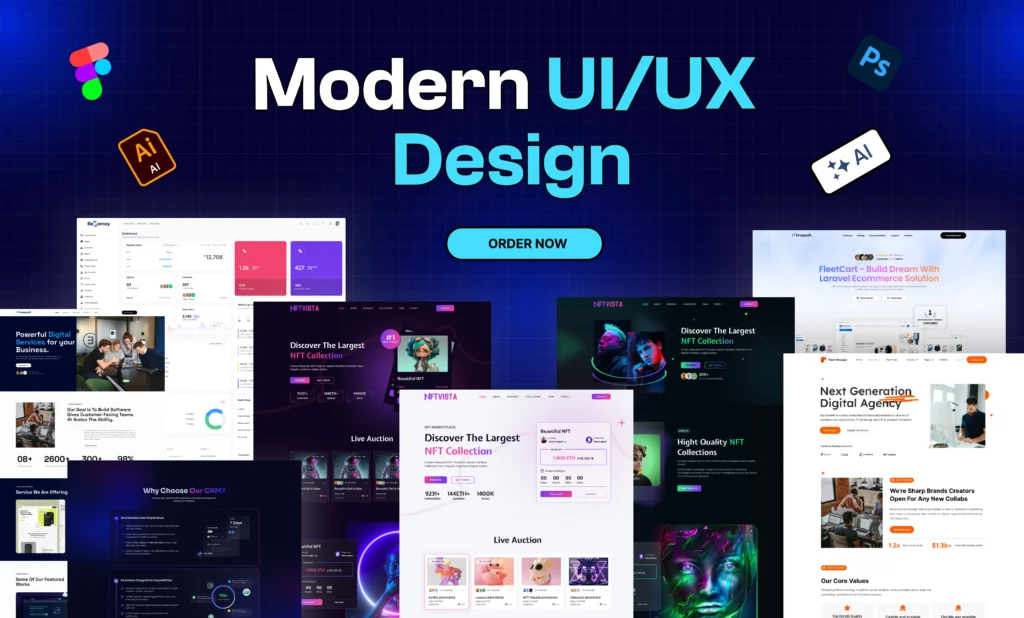
For websites, apps, and digital products that seek to provide seamless, captivating user experiences, modern UI/UX design has become crucial. Businesses must embrace modern UI/UX design ideas to be competitive and create products that consumers love as user expectations rise.
Everything you need to know about modern UI/UX design is covered in this guide, including user psychology, design principles, trends, tools, and best practices for 2025. Knowing smart UI/UX Design will help you build aesthetically pleasing and user-friendly digital experiences, regardless of your level of expertise.
Modern UI/UX Design Principles for Better Usability
Core Visual Principles in Modern UI/UX Design
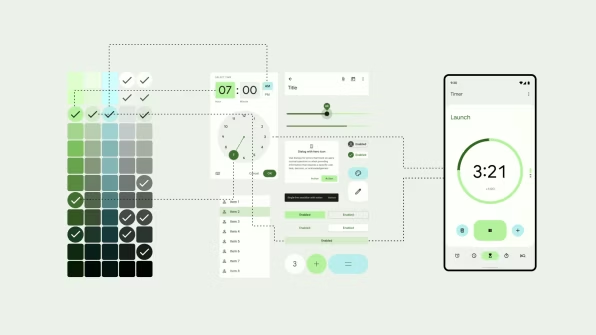
The foundation of contemporary UI/UX design is intuitive organization, visual clarity, and balance. To develop interfaces that users can quickly grasp, designers employ simple layouts, well-balanced typography, and approachable color schemes. These visual guidelines facilitate clear navigation for users, which improves the efficiency and significance of the design process.
User Behavior and Psychology in UI/UX Design
A crucial component of UI/UX design is comprehending user thought processes. Designers can forecast how consumers will engage with a website or application by using behavioral psychology. The user experience is greatly impacted by simple acts like button placement, contrast, spacing, and visual signals. Engagement rises when design meets user expectations.
Accessibility Features in Modern UI/UX Design
UI/UX design in the modern era needs to be inclusive. Keyboard-friendly navigation, readable fonts, high contrast colors, and detailed alt language are all used by designers to build accessible interfaces. All users, including those with disabilities, will be able to interact with your digital product with ease because to accessibility. This raises brand loyalty and improves user experience.
Modern UI/UX Design Trends Shaping 2025
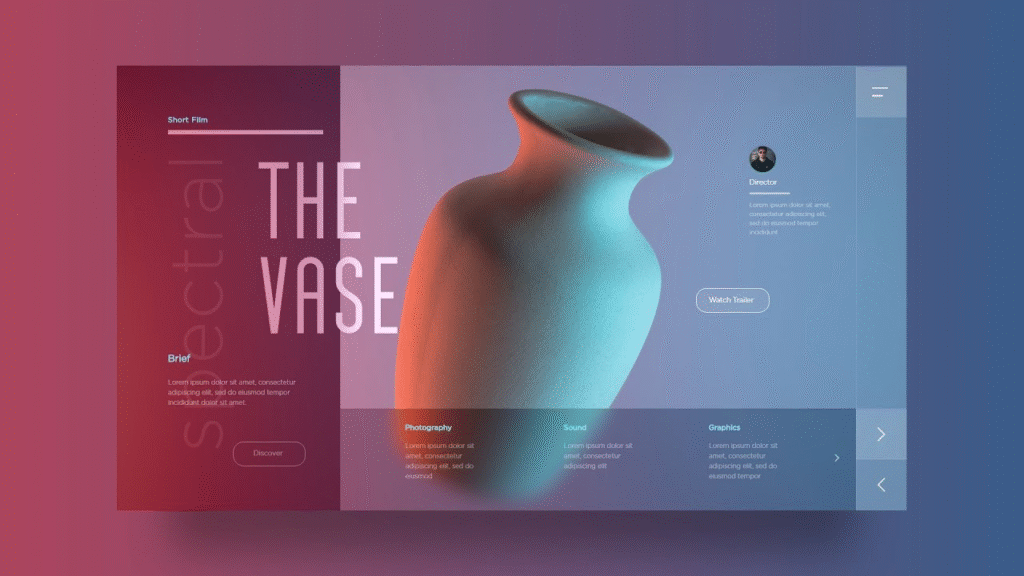
Minimalism in smart UI/UX Design
One of the most popular trends in UI/UX design is minimalistic layouts. Users can concentrate on crucial tasks with the aid of clear interfaces, ample space, and reduced icons. Minimalism enhances usability on all digital devices and lowers visual noise.
Micro-Interactions in smart UI/UX Design
Modern UI/UX design heavily relies on small animations, such as success messages, loading indicators, and button hover effects. The user experience is vivid, fulfilling, and more interesting because to these micro-interactions. They enhance user comfort while navigating and offer immediate feedback.
AI-Powered UI Customization in smart UI/UX Design
By offering customized interfaces, AI tools are revolutionizing UI/UX design. AI aids in the creation of customized experiences that boost user engagement, from dynamic layouts to content recommendations. The digital experience will continue to change in 2025 thanks to AI-driven design elements.
Best Tools for Modern UI/UX Design
Prototyping Tools for Modern UI/UX Design
In smart UI/UX design, tools like Figma, Adobe XD, and Sketch are frequently used for wireframing and prototyping. With the use of these technologies, designers may more quickly envision concepts and produce interactive prototypes that demonstrate how the finished product will operate.
Collaboration Tools for Modern UI/UX Design Teams
Collaboration is essential in UI/UX design. Designers, developers, and clients may collaborate in real time with tools like Figma. The workflow is efficient and seamless thanks to shared libraries, version control, and feedback comments.
User Testing Tools for Modern UI/UX Design
Usability testing tools such as Maze, UserTesting, and Hotjar help validate design decisions. These platforms track user behavior, heatmaps, and feedback, which is essential for refining UI/UX Design and improving overall user satisfaction.
How Modern UI/UX Design Improves User Engagement
Enhancing Navigation Through Modern UI/UX Design
One of the main advantages of UI/UX design is its clear navigation. Users favor structured content, easy-to-use interfaces, and straightforward menus. Users are more likely to stay longer and finish tasks like clicking, purchasing, or signing up when they can locate information fast.
Faster Load Times Through Smart UI/UX Design
One of the main advantages of UI/UX design is its clear navigation. Users favor structured content, easy-to-use interfaces, and straightforward menus. Users are more likely to stay longer and finish tasks like clicking, purchasing, or signing up when they can locate information fast.
Emotional Connection in smart UI/UX Design
Emotions are evoked by colors, animations, and brand identity components, which increase engagement. In order to create a memorable experience and inspire people to trust and return to your product, modern UI/UX design employs emotional triggers.
Modern UI/UX Design for Mobile Apps
Responsive Layouts in Modern UI/UX Design
Apps are guaranteed to adjust to various screen sizes thanks to UI/UX design. Apps may provide seamless experiences across devices thanks to responsive grids, adaptable fonts, and dynamic elements.
Gesture-Based Interactions in Modern UI/UX Design
Mobile experiences are easy and engaging thanks to drag-and-drop interactions, long presses, pressing, and swiping. Gesture-based design increases user engagement and improves usability.
Mobile Accessibility in UI/UX Design
Users using mobile devices anticipate immediate clarification. For improved readability, UI/UX design maximizes font sizes, contrast, and touch targets. Smoother navigation and increased engagement are the results of an accessible mobile user interface.
Strengthening Brand Identity Through Modern UI/UX Design
Brand identity is significantly shaped by contemporary UI/UX design. When a brand’s digital presence exhibits consistency in color schemes, typography, visual tone, icon style, and layout patterns, it becomes memorable. Users’ perceptions of a brand’s personality are defined by these factors. Businesses may increase recognition and foster confidence by using consistent Modern UI/UX Design on their websites, applications, and social media platforms.
Users feel more connected to a brand when it is consistent, which improves engagement and increases loyalty. In the cutthroat digital market of 2025, firms may stand out with a powerful visual identity developed through modern UI/UX design.
Conclusion
In 2025, the foundation of digital success will be modern UI/UX design. Modern UI/UX Design assists brands in creating meaningful digital experiences using usability principles, new trends, intelligent technologies, and psychology-driven tactics. Investing in modern UI/UX design helps businesses increase customer happiness, long-term loyalty, engagement, and conversions. Every designer, developer, or business owner hoping to stay ahead in the digital age must know Modern UI/UX Design as user expectations continue to climb.
FAQs
1. What is Modern UI/UX Design?
Modern UI/UX Design focuses on creating attractive, intuitive, and functional digital experiences using updated trends, tools, and user psychology.
2. Why is UI/UX Design important?
It improves usability, enhances engagement, boosts conversions, and builds trust among users.
3. Which tools are best for UI/UX Design?
Figma, Adobe XD, Sketch, and Framer are top tools for wireframing, prototyping, and collaboration.
4. What trends define UI/UX Design in 2025?
Minimalism, micro-interactions, 3D UI, vibrant gradients, and AI-powered customization.
5. Can beginners learn UI/UX Design easily?
Yes! With free courses, templates, and user-friendly tools, beginners can start designing quickly.