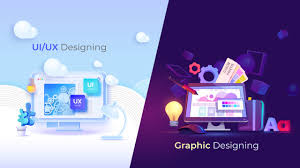

In today’s digital environment, knowing the differences between Visual Design and UX Design is crucial since both fields influence how users interact with websites, applications, and digital goods. Despite the fact that many novices misunderstand them, these domains have distinct functions yet collaborate to produce significant user experiences. In order to assist you in selecting the best field for 2025, this post offers a thorough comparison of Visual Design vs UX Design, encompassing skills, workflows, responsibilities, and career trajectories.
What Is Visual Design vs UX Design?
Visual Design vs UX Design in Digital Products
The phrase “visual design vs. UX design” refers to two related but separate aspects of product development. While UX design concentrates on user experience, usability, flow, accessibility, and problem-solving, visual design concentrates on aesthetics colors, typography, icons, layout, brand style, and visual hierarchy. Whether it’s a mobile app or a website, both are essential for any successful digital interface.
Why Visual Design vs UX Design Matters for Modern Brands
Brands need to provide aesthetically pleasing and user-friendly digital products by 2025. Because of this, brand image, consumer engagement, and user trust are all greatly influenced by Visual Design vs. UX Design. A solid user experience keeps users interested and increases conversions, but a beautiful UI draws users in.
Relationship Between Visual Design vs UX Design
Although different, these fields depend on one another. UX Designers plan the structure, wireframes, and user journey, while Visual Designers convert those structures into attractive, polished screens. Without UX, visual design becomes superficial; without visual design, UX becomes incomplete. Together, they create seamless and visually compelling digital experiences.
Key Differences in Visual Design vs UX Design
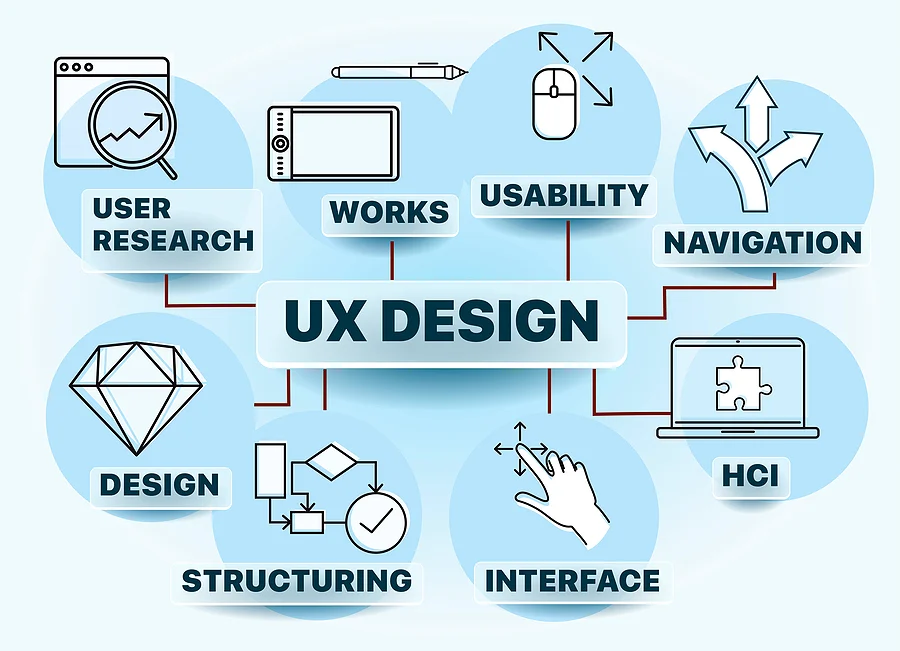
UX designers foster meaningful encounters, lower irritation, and increase satisfaction. Instead of emphasizing aesthetics, they concentrate on task fulfillment, organization, and flow. In order to create experiences that feel effortless and natural, UX design places a strong emphasis on psychology, logic, and accessibility.
Visual Design vs UX Design Roles & Responsibilities
The responsibilities are where the biggest difference is found. Graphic components, spacing, color theory, brand consistency, and interface aesthetics are the main concerns of visual designers. Research, wireframing, user flows, personas, testing, and interaction behavior are all handled by UX designers. Professionals can make the best decision by knowing the differences between UX and visual design positions.
Skills Needed for Visual Design vs UX Design
Typography, color psychology, iconography, layout design, and skills with programs like Adobe Illustrator, Photoshop, and Figma are all necessary for visual designers. User research, heuristic evaluation, information architecture, prototyping, and usability testing are among the abilities needed by UX designers. Learning both improves employability because the terms Visual Design and UX Design encompass two different skill sets.
Visual Output vs Functional Output in Visual Design vs UX Design
Screen mockups, style guidelines, UI elements, and brand assets are examples of visual design deliverables. Wireframes, journey maps, prototypes, and user research reports are examples of UX design deliverables. UX designers respond to the question “How should it work?” whereas visual designers respond to the question “How should it look?” Because of this, product teams must compare Visual Design and UX Design.
Workflow Comparison: Visual Design vs UX Design
UX Design Workflow Steps
Research, including surveys, interviews, and competitor analysis, is the first step for UX designers. After that, they design user flows, specify interactions, construct wireframes, and test prototypes. The Visual Design vs. UX Design workflow begins with function rather than visuals since UX is analytical and systematic.
Visual Design Workflow Steps
UX wireframes are transformed into aesthetically pleasing interfaces by visual designers. They use font, color schemes, contrast, spacing, and brand standards. They enhance emotional connection, visual hierarchy, and readability. In contrast to UX design, their job in visual design is to make sure the finished product is elegant, coherent, and consistent with the brand.
Collaboration in Visual Design vs UX Design
The two designers work together all the time. While visual designers guarantee aesthetics, UX designers guarantee usefulness. Figma, Sketch, and Adobe XD aid with product teams’ alignment. Modern, user-focused digital goods are created when Visual Design and UX Design work together.
Career Paths in Visual Design vs UX Design
Job Roles & Titles
Visual designers frequently go on to become brand, graphic, or user interface designers. UX researchers, product designers, service designers, and interaction designers are among the positions that UX designers can advance into. Students and professionals can choose the appropriate specialization by knowing the differences between career options in Visual Design and UX Design.
Salary Comparison in Visual Design vs UX Design
Due to their research-based duties and high demand in product-driven businesses, UX designers will often make more money in 2025. However, skilled visual designers with a focus on motion graphics or user interface design can also land lucrative positions. In tech, e-commerce, SaaS, and digital agencies, there is an increasing need for Visual Design as opposed to UX Design.
Which Career Should You Choose?
If you like creativity, layouts, colors, and aesthetics, go with visual design. If you enjoy problem-solving, studying user behavior, and enhancing product usability, choose UX design. Learning both will give you an advantage because many organizations overlap between Visual Design and UX Design.
Conclusion
When visual design and UX design are compared, it becomes clear that both disciplines are necessary to provide digital goods that are both aesthetically pleasing and easy to use. While UX design guarantees use and enjoyment, visual design increases beauty and brand identification. Gaining proficiency in these areas will lead to expanding prospects in 2025 and beyond, regardless of whether you decide to pursue a career in visual design, UX design, or both.
FAQs
1. What is the main difference between Visual Design vs UX Design?
Visual Design focuses on aesthetics, while UX Design focuses on usability, research, and user interaction.
2. Is Visual Design easier than UX Design?
Visual Design is more artistic; UX Design is more analytical. Difficulty depends on your strengths.
3. Can one designer do both Visual Design and UX Design?
Yes, many companies hire Product Designers who handle tasks from both fields.
4. Which is better for beginners: Visual Design vs UX Design?
Beginners who enjoy creativity often choose Visual Design; those who enjoy problem-solving choose UX Design.