What Are Online Design Platforms?
In 2025, online design platforms will be crucial resources for students, small enterprises, graphic designers, content producers, and marketing experts. With the help of these cloud-based technologies, anyone can produce eye-catching designs without the need for sophisticated software or powerful hardware. Online design platforms are revolutionizing the field of digital design with features like drag-and-drop editors, pre-made templates, real-time collaboration, and AI-powered design assistants. Online editing tools, cloud design tools, online graphic design software, free design platforms, and web-based design tools are related terms.
Accessibility is a key factor in the rise in popularity of online design tools. Mobile phones, tablets, and computers can all be used for design. Because everything is kept in the cloud, sharing and access are simple. These platforms provide adaptable tools to suit all needs, whether you’re creating UI prototypes, social media postings, presentation slides, website layouts, or marketing materials.
These platforms’ price is another factor contributing to their market dominance. Users can obtain free or inexpensive versions with robust functionality instead of purchasing pricey software. Online design tools are therefore perfect for distant teams, startups, independent contractors, and students.
Benefits of Online Design Platforms in 2025
Universal access is just one of the many advantages that online design platforms offer. You can design from any location as long as you have internet access. For those who travel, work remotely, or cooperate with international teams, this flexibility is ideal. These platforms make it possible for designers to work seamlessly across devices and remove hardware constraints.
Real-time collaboration is the second main advantage of online design platforms. The same design can be worked on concurrently by several team members, who can also instantaneously share input and write comments. They are therefore perfect for collective initiatives, agencies, and marketing teams.
Online design platforms have advanced to a new level thanks to AI integration. Time is saved and design quality is enhanced with tools like automated scaling, background removal, color palette recommendations, and auto-layout ideas. AI content creation is another feature of many platforms that makes it easier than ever for users to generate banners, posts, and presentations.
Because of these characteristics, online design platforms will be a crucial tool for designers in 2025 who want to boost output and guarantee brand consistency.
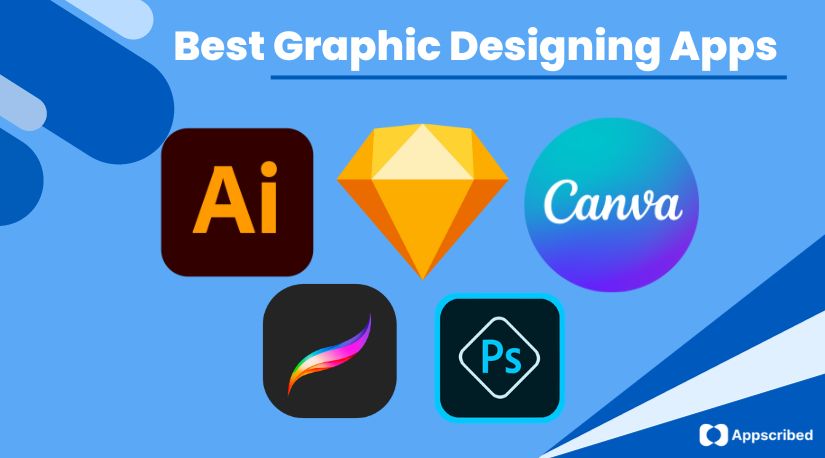
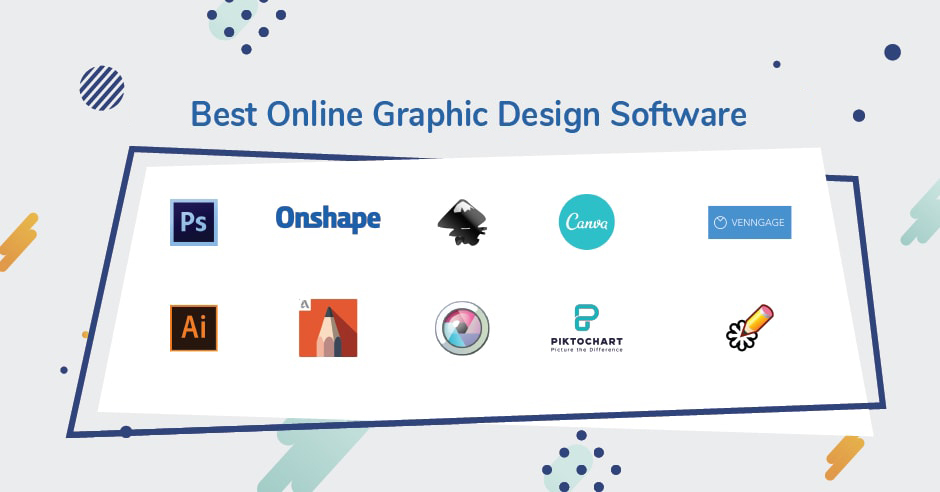
Top Online Design Platforms 2025
When it comes to online design platforms, a few of the best tools are notable for their capabilities, usefulness, and adaptability.
1. Canva
Canva’s user-friendly interface, dozens of templates, and drag-and-drop editing make it the top online design platform in 2025. Infographics, business cards, posters, social media designs, and even video editing are all supported by Canva. It is ideal for both novices and experts because it has AI technologies that boost user creativity.
2. Figma
uses web-based collaborative elements to dominate the UI/UX space. It is perfect for wireframes, prototypes, and app creation because designers can collaborate in real time. Tech startups and agencies use Figma extensively to optimize design workflows.
For those on a tight budget, VistaCreate, Pixlr, and Adobe Express are great online design platforms. They provide robust editing capabilities, tools for enhancing photos, and pre-made templates that are appropriate for social media content and marketing materials.
When taken as a whole, these platforms demonstrate how Online Design Platforms have developed into effective digital workspaces.
How to Choose the Best Online Design Platforms
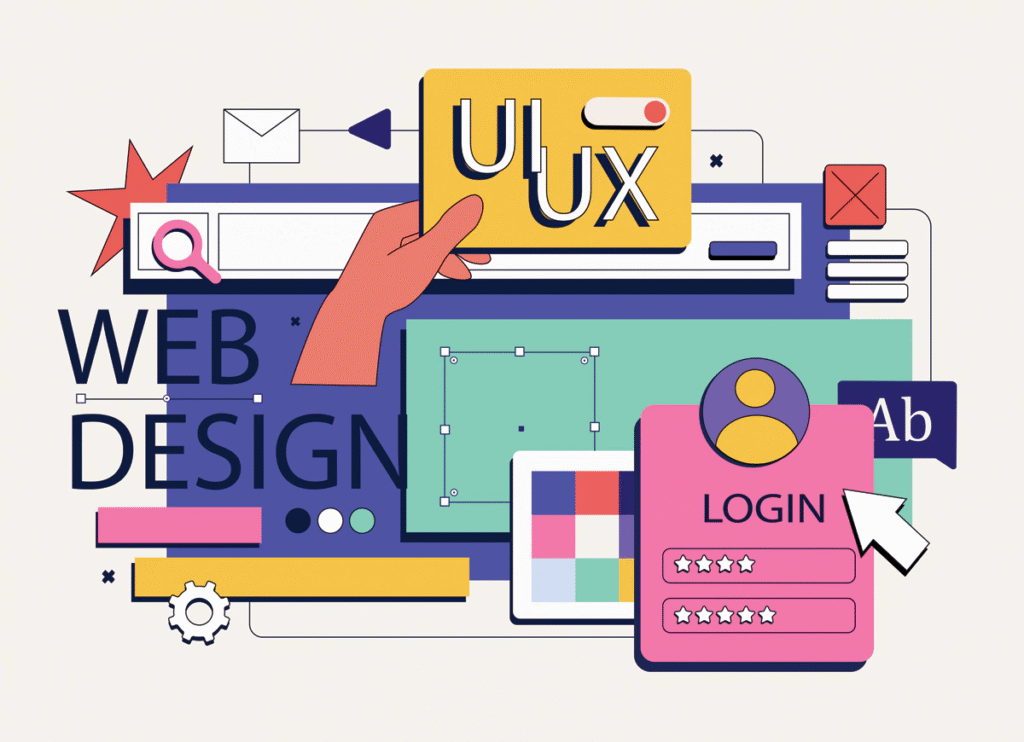
Your objectives and level of expertise will determine which online design platforms are best for you. Canva’s simplicity may make it more appealing to beginners, but Figma is better suited for UI/UX designers. Pixlr is a quick and simple online substitute for Photoshop for photo editing chores.
Take into account the following elements while selecting a platform:
1. Features and Tools
Check for export choices, AI support, animations, templates, and typefaces. Make sure the platform provides the tools you need for your project.
2. Pricing Plans
Online design platforms typically provide free versions; however, sophisticated functionality are only available with premium memberships. Based on your budget, compare different plans.
3. Collaboration Needs
Select a platform with easy sharing, commenting, and real-time editing if you collaborate with others.
4. Learning Curve
Select a platform based on your level of experience. While skilled designers might need professional-grade tools, beginners should search for editors that are easy to use. Users may quickly choose the best online design platforms for their creative needs in 2025 by weighing these factors.
Branding With Online Design Platforms
In 2025, companies will largely rely on online design platforms for content development and branding. They assist businesses with creating images that are consistent throughout print materials, online, and social media. Teams can swiftly produce expert content without hiring a designer by using pre-made templates.
Online design platforms are used by marketing teams to efficiently produce advertisements, brochures, and promotional materials. These technologies enable firms to launch campaigns more quickly by accelerating workflows. Teams can rapidly communicate, update, and approve designs because everything is kept on the cloud.
Online design platforms also help firms save money and time. Basic design work can be done internally by teams rather than outsourcing every little design effort.
Conclusion
These days, online design platforms are a crucial component of the digital world. They provide affordability, flexibility, teamwork, and robust features that make it simple for everyone, from novices to experts, to produce excellent designs. These platforms continue to gain popularity in 2025 thanks to their user-friendly interfaces, cloud accessibility, and AI integration. Online design platforms allow you to create beautiful visuals without any restrictions, whether you are a student, designer, entrepreneur, or business owner.
FAQs
1. What are Online Design Platforms?
They are web-based tools that allow users to create designs without installing software.
2. Which Online Design Platform is best for beginners?
Canva is the most beginner-friendly due to its simple drag-and-drop interface.
3. Are Online Design Platforms free?
Most offer free versions with optional paid upgrades.
4. Which Online Design Platform is best for UI/UX designers?
Figma is the top choice for UI/UX design and prototyping.
5. Can I use Online Design Platforms for business branding?
Yes, they are widely used for marketing content, branding visuals, and social media posts.